
Send a Tenant to Collections: A Complete Guide for Property Managers and Landlords
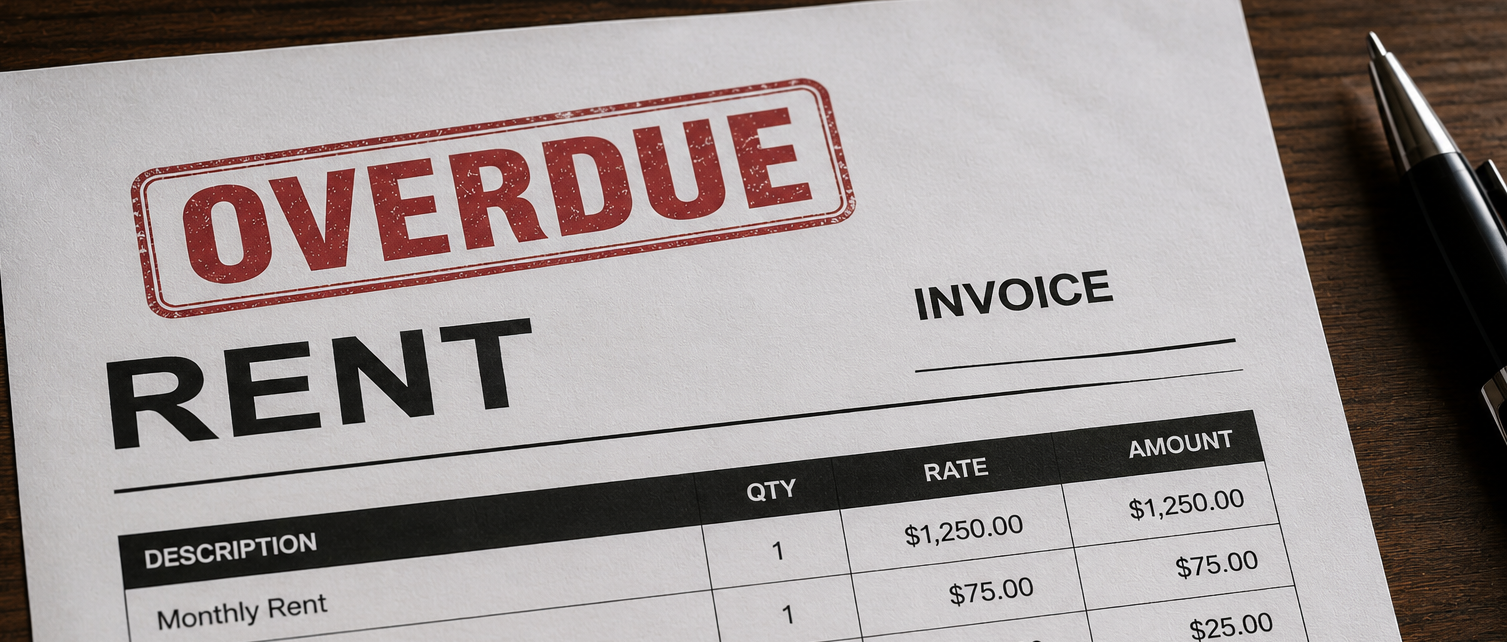
Whether you manage a single rental property or hundreds of units, unpaid rent can have a serious impact on your cash flow. While most tenants pay on time, there are situations where a resident stops paying altogether or moves out with an outstanding balance. Knowing when to send a tenant to collections can help you recover more of what you’re owed while allowing you to focus on managing your properties. However, timing, documentation, and following the proper process all play an important role.
This guide explains when collections make sense, how the process works, and what property managers and landlords should do before turning an account over to a professional collection agency.
Why Unpaid Rent Shouldn’t Be Ignored
Every unpaid balance affects your business.
Outstanding rent doesn’t just reduce monthly income. It can also increase administrative work, delay repairs and maintenance, and create unnecessary stress for your team.
Not every late payment turns into a collection account. However, the CFPB explains that only about half of renters who incur a late fee return to paying rent on time, while many continue experiencing payment issues. This highlights the importance of having a consistent process for managing delinquent accounts.
The longer an account remains unpaid, the less likely it is that the balance will be recovered. That’s why having a clear process for handling delinquent accounts is important.
Can You Send a Tenant to Collections?
Yes. In many situations, landlords and property managers can send a tenant to collections for legitimate unpaid debts.
These debts may include:
- Unpaid rent
- Outstanding utility charges that the tenant was responsible for
- Lease break fees
- Cleaning fees outlined in the lease
- Property damage beyond normal wear and tear
- Court-awarded judgments
- Other unpaid charges permitted by the lease agreement
The debt should be legitimate, documented, and supported by your lease agreement and financial records.
Before sending an account to collections, make sure you’ve completed any notices, security deposit accounting, or other requirements that apply under your lease and applicable laws.
When Should You Send a Tenant to Collections?
There is no single timeline that fits every situation. However, many property managers consider collections after they’ve made reasonable efforts to recover the balance themselves.
Common signs that it’s time include:
- The tenant has stopped responding to calls, emails, or letters.
- Multiple payment reminders have gone unanswered.
- A payment plan has failed.
- The tenant has moved out and still owes money.
- Internal collection efforts are taking too much time.
Waiting too long can reduce the chances of recovering the debt. In general, the sooner an account is placed for collections after the balance becomes final, the greater the opportunity for successful recovery. Waiting several months or even years can make it more difficult to recover unpaid rent.
How to Collect Unpaid Rent Before Sending an Account to Collections
Before you involve a collection agency, make reasonable efforts to collect the balance yourself.
A typical process may include:
- Send payment reminders.
- Apply any late fees allowed by the lease.
- Offer a payment arrangement when appropriate.
- Document every communication attempt.
- Send a final demand letter explaining the amount owed and the deadline for payment.
Some tenants simply need additional time or a reminder. Others may resolve the balance once they understand the consequences of continued nonpayment.
If those efforts fail, collections may become the most practical next step.
What Documentation Should You Gather?
The stronger your documentation, the smoother the collection process will be.
Helpful records include:
- Signed lease agreement
- Tenant application
- Ledger showing all charges and payments
- Copies of invoices or repair bills
- Move-in and move-out inspection reports
- Photos of damages, when applicable
- Security deposit accounting
- Copies of notices and demand letters
- Email or text communication related to the debt
- Tenant’s last known address and contact information
Providing complete documentation helps establish that the balance is accurate and legitimate.
How to Send Unpaid Rent to Collections
If internal efforts have not resolved the balance, the next step is working with a professional collection agency.
While the exact process varies, it typically follows these steps:
1. Choose a Collection Agency
Not every collection agency specializes in property management.
Working with an agency experienced in rental collections, like Collection Recovery Services, often means they understand lease agreements, security deposit accounting, move-out balances, and landlord documentation requirements.
2. Submit the Account
The agency will typically ask for:
- Tenant information
- Balance owed
- Lease documents
- Account history
- Supporting documentation
Many agencies allow secure online account submission.
3. The Collection Process Begins
Once the account is received, the agency begins attempting to contact the former tenant through legally permitted methods.
This may include written notices, phone calls, and, when necessary, skip tracing to locate updated contact information if the tenant has moved or changed addresses.
Professional agencies follow applicable collection laws and regulations, including the Fair Debt Collection Practices Act (FDCPA), throughout the process.
4. Recovery Efforts Continue
Some accounts are resolved quickly.
Others may require ongoing follow-up over time.
An experienced agency can continue pursuing balances while allowing your property management team to focus on current residents.
How to Collect Unpaid Rent After Tenant Moves Out
One of the most common questions property managers ask is how to collect unpaid rent after a tenant moves out.
Former tenants often become more difficult to reach once they’ve left the property.
If a balance remains after move-out:
- Complete the final inspection.
- Calculate all legitimate charges.
- Apply the security deposit according to applicable laws.
- Send the required final accounting.
- Make reasonable attempts to collect directly.
- Keep detailed records.
- Consider sending the remaining balance to collections if payment is not received.
Even if a tenant has moved to another city or state, collection agencies often have additional resources available to locate updated contact information and continue lawful recovery efforts.
Common Mistakes Property Managers Should Avoid
Some collection efforts become more difficult because of preventable mistakes.
Avoid these common issues:
Waiting Too Long
Older accounts can be harder to recover.
Develop a consistent timeline for handling unpaid balances.
Poor Documentation
Missing lease agreements, incomplete ledgers, or missing invoices can slow down the process.
Keep organized records from the beginning of every tenancy.
Inaccurate Account Balances
Double-check every charge before submitting an account.
Errors can delay collections and create disputes.
Inconsistent Policies
Treat delinquent accounts consistently.
Having written procedures helps ensure every account follows the same process.
Trying to Handle Everything Internally
Property managers already have enough responsibilities.
Professional collection agencies allow your staff to focus on leasing, maintenance, inspections, and resident service instead of spending hours chasing old debt.
Benefits of Using a Property Management Collection Agency
Working with a collection agency offers several advantages.
These may include:
- Higher recovery potential
- Professional collection expertise
- More time for your staff
- Organized documentation process
- Consistent follow-up
- Compliance with collection regulations
- Better overall account management
Rather than allowing unpaid balances to remain on your books indefinitely, collections provide a structured recovery process that is more likely to drive results.
Frequently Asked Questions
Can you send a tenant to collections without an eviction?
In many cases, yes.
A tenant who moves out owing money or breaks a lease may still have an unpaid balance that can be pursued through collections. Requirements vary depending on your lease and applicable laws.
Does a tenant have to move out before collections?
Not necessarily.
Some property managers pursue collections after a balance becomes final while a tenant is still occupying the property, although many accounts are submitted after move-out.
Always follow applicable laws and consult legal counsel when necessary.
Is there a minimum balance for collections?
Every collection agency has its own policies.
Some accept relatively small balances, while others establish minimum account amounts.
How long does the collection process take?
Every account is different.
Some balances are resolved quickly, while others require extended follow-up depending on the circumstances.
Set Your Property Up for Long-Term Success
Knowing when to send a tenant to collections is an important part of protecting your property’s financial health.
The best approach starts with strong documentation, consistent communication, and reasonable internal collection efforts. When those efforts no longer produce results, partnering with an experienced property management collection agency can help you pursue unpaid rent while freeing your team to focus on serving current residents.
By acting promptly and maintaining organized records, property managers and landlords can improve their chances of recovering outstanding balances and reducing the long-term impact of unpaid rent.
Ready to Recover Unpaid Rent?
When internal collection efforts have reached their limit, partnering with the right collection agency can make all the difference.
At Collection Recovery Services we specialize in property management collections for residential and commercial landlords. Our team understands the unique challenges property managers face, from recovering unpaid rent to resolving move-out balances and other tenant debts.
We’re driven by results, but we never lose sight of professionalism. Every account is handled with integrity, respect, and full compliance with applicable collection laws. Our ethical approach helps protect your reputation while working to recover the money you’re owed. We strive to preserve positive tenant-landlord relationships throughout the collection process.
If you’d like to learn more about how our process works and the services we offer, visit our Property Management Collections page.
When you’re ready to recover outstanding balances or have questions about a specific account, contact our team. We’re here to help you recover unpaid rent efficiently, professionally, and with the experience property managers can rely on.